
What Are the New Dangerous Goods Truck Rules in 2019?
Date:2026-10-28
Page views:
What Are the New Regulations for Dangerous Goods Transport Vehicles in 2019?
To protect people's personal and property safety, the state has corresponding laws and regulations for facilities and activities that may endanger personal and property safety. Since dangerous goods transport vehicles carry hazardous goods, they are also governed by relevant laws and regulations. What new regulations apply to dangerous goods transport vehicles in 2019? Here Chengli Automobile Group introduces:
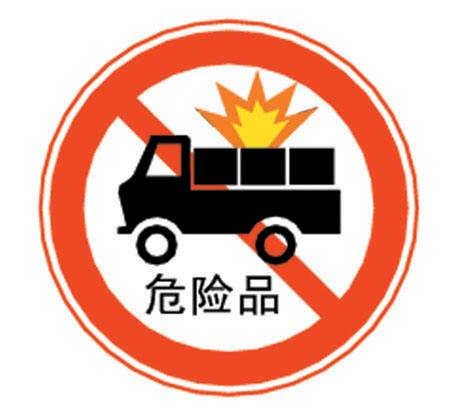
Dangerous goods transport is a type of specialized transport in which specially organized or technical personnel use special vehicles to carry non-routine goods. Generally, only enterprises that have passed strict review by the relevant national authorities and possess the facilities and equipment needed to ensure the safe transport of dangerous goods are qualified to undertake dangerous goods transport.
1. Special transport vehicles and equipment used for shipping radioisotopes must comply with the relevant provisions of the health and epidemic prevention authorities. Vehicles, equipment, handling tools and protective gear must be regularly inspected for radioactive contamination; if the radiation intensity exceeds the limit, they must be cleaned and disinfected before continued use.
2. Road transport of dangerous goods must be equipped with transport and loading/unloading equipment that ensures safety, and must have operating management personnel and drivers with professional knowledge of dangerous goods properties, to ensure the safety of dangerous goods transport.
3. The tank material of tank vehicles must be compatible with the properties of the goods carried: for example, nitric acid requires aluminum tanks, and waste nitric acid requires fiberglass-reinforced plastic and stainless steel tanks. Safety devices such as double gates, baffle plates and sunshades must be fitted as needed. Vehicles carrying containers, large gas cylinders or portable tanks must be equipped with effective securing devices and suitable wooden plugs.
4. All loading and unloading machinery used must have a sufficient safety factor; the design requirement is generally one third above the rated load capacity. For example, a crane or hoist with a rated load of 5 tons should be able to lift 6 to 7 tons. Handling machinery must be fitted with explosion-proof devices that eliminate sparks. Tools that easily produce sparks through friction are prohibited, and tools used must not be contaminated with substances incompatible with the goods carried.
5. The cargo box of motor vehicles should have a wooden floor to avoid sparking; if an iron floor is used, suitable padding must be provided for protection. The exhaust pipe of motor vehicles must be fitted with heat insulation and spark arrestor devices. Fire-fighting equipment and strapping, waterproofing and anti-spillage devices must be provided according to the properties of the dangerous goods carried.
Dangerous goods transport vehicles must meet the following standards:
1. Dangerous goods transport vehicles must display at the front or another prominent position a special yellow signal flag with black lettering reading “Dangerous Goods,” as uniformly prescribed by the public security authority, so as to alert other vehicles with a clearly visible sign. Unauthorized persons must not ride in vehicles carrying flammable, explosive or highly toxic chemicals.
2. Vehicles transporting hazardous chemicals should not use metal cargo compartments, to prevent accidents caused by friction, vibration, etc. If metal compartments must be used, reliable protective measures must be in place.
3. When transporting hazardous chemicals in midsummer, dangerous goods transport vehicles should have sun-shading or other protective measures, or be restricted to night transport. When transporting moisture-flammable goods, tarpaulins and other rainproof facilities must be provided.
4. The sideboards of dangerous goods transport vehicles must be solid, stable and reliable, ensuring that goods do not slide or fall when turning. The loading height of hazardous chemicals must not exceed the height of the vehicle's sideboards. The cargo floor must be flat, dense and seamless, so that liquefied hazardous chemicals cannot leak, touch the drive shaft and cause friction and fire.
5. Dangerous goods transport vehicles should be equipped with the appropriate fire extinguishers, protective and first-aid supplies according to the properties of the hazardous chemicals carried, for emergency use. 1211, carbon dioxide or dry powder fire extinguishers are usually hung in or near the cab. These fire extinguishers and protective/first-aid supplies must be inspected regularly; if leakage, damage, deformation, weight loss, or a rattling sound when shaken is found, they must be repaired or replaced immediately to ensure they are always in good condition.
To learn more about the latest policies and regulations for special vehicles, please visit: http://www.icljt.com/news/zcfg/
To protect people's personal and property safety, the state has corresponding laws and regulations for facilities and activities that may endanger personal and property safety. Since dangerous goods transport vehicles carry hazardous goods, they are also governed by relevant laws and regulations. What new regulations apply to dangerous goods transport vehicles in 2019? Here Chengli Automobile Group introduces:
Dangerous goods transport is a type of specialized transport in which specially organized or technical personnel use special vehicles to carry non-routine goods. Generally, only enterprises that have passed strict review by the relevant national authorities and possess the facilities and equipment needed to ensure the safe transport of dangerous goods are qualified to undertake dangerous goods transport.
1. Special transport vehicles and equipment used for shipping radioisotopes must comply with the relevant provisions of the health and epidemic prevention authorities. Vehicles, equipment, handling tools and protective gear must be regularly inspected for radioactive contamination; if the radiation intensity exceeds the limit, they must be cleaned and disinfected before continued use.
2. Road transport of dangerous goods must be equipped with transport and loading/unloading equipment that ensures safety, and must have operating management personnel and drivers with professional knowledge of dangerous goods properties, to ensure the safety of dangerous goods transport.
3. The tank material of tank vehicles must be compatible with the properties of the goods carried: for example, nitric acid requires aluminum tanks, and waste nitric acid requires fiberglass-reinforced plastic and stainless steel tanks. Safety devices such as double gates, baffle plates and sunshades must be fitted as needed. Vehicles carrying containers, large gas cylinders or portable tanks must be equipped with effective securing devices and suitable wooden plugs.
4. All loading and unloading machinery used must have a sufficient safety factor; the design requirement is generally one third above the rated load capacity. For example, a crane or hoist with a rated load of 5 tons should be able to lift 6 to 7 tons. Handling machinery must be fitted with explosion-proof devices that eliminate sparks. Tools that easily produce sparks through friction are prohibited, and tools used must not be contaminated with substances incompatible with the goods carried.
5. The cargo box of motor vehicles should have a wooden floor to avoid sparking; if an iron floor is used, suitable padding must be provided for protection. The exhaust pipe of motor vehicles must be fitted with heat insulation and spark arrestor devices. Fire-fighting equipment and strapping, waterproofing and anti-spillage devices must be provided according to the properties of the dangerous goods carried.
Dangerous goods transport vehicles must meet the following standards:
1. Dangerous goods transport vehicles must display at the front or another prominent position a special yellow signal flag with black lettering reading “Dangerous Goods,” as uniformly prescribed by the public security authority, so as to alert other vehicles with a clearly visible sign. Unauthorized persons must not ride in vehicles carrying flammable, explosive or highly toxic chemicals.
2. Vehicles transporting hazardous chemicals should not use metal cargo compartments, to prevent accidents caused by friction, vibration, etc. If metal compartments must be used, reliable protective measures must be in place.
3. When transporting hazardous chemicals in midsummer, dangerous goods transport vehicles should have sun-shading or other protective measures, or be restricted to night transport. When transporting moisture-flammable goods, tarpaulins and other rainproof facilities must be provided.
4. The sideboards of dangerous goods transport vehicles must be solid, stable and reliable, ensuring that goods do not slide or fall when turning. The loading height of hazardous chemicals must not exceed the height of the vehicle's sideboards. The cargo floor must be flat, dense and seamless, so that liquefied hazardous chemicals cannot leak, touch the drive shaft and cause friction and fire.
5. Dangerous goods transport vehicles should be equipped with the appropriate fire extinguishers, protective and first-aid supplies according to the properties of the hazardous chemicals carried, for emergency use. 1211, carbon dioxide or dry powder fire extinguishers are usually hung in or near the cab. These fire extinguishers and protective/first-aid supplies must be inspected regularly; if leakage, damage, deformation, weight loss, or a rattling sound when shaken is found, they must be repaired or replaced immediately to ensure they are always in good condition.
To learn more about the latest policies and regulations for special vehicles, please visit: http://www.icljt.com/news/zcfg/