
How Will China VI Emission Rules Affect the Auto Industry?
Date:2026-10-28
Page views:
Expert Analysis: What Are the Impacts Brought by the Implementation of China National‑VI Emission Standard on the Automobile Industry?
In recent years, vehicle exhaust emissions have always been a hot‑button topic drawing global attention, and China is no exception. The Ministry of Environmental Protection issued requirements stipulating that the China National‑VI emission standard shall be mandatorily implemented for light‑duty vehicles starting from July 1, 2020. The National‑VI standard is 40%‑50% stricter than the National‑V standard, which shows its rigorous requirements.
At the beginning of 2020, the National‑VI regulation was fully implemented. National‑VI imposes strict limits on pollutant emissions. Excluding the influences of operating conditions and testing, carbon monoxide emissions from gasoline vehicles are reduced by 50%, total hydrocarbon and non‑methane hydrocarbon emission limits are cut by 50%, and nitrogen oxide emission limits are tightened by 42%. It has become one of the strictest standards across the globe.
1. Starting from July 1, 2020, all light‑duty vehicles sold and registered shall meet the limit requirements of China National‑VI 6a;
2. Starting from July 1, 2023, all light‑duty vehicles sold and registered shall comply with the limit requirements of China National‑VI 6b.
At first, National‑III vehicles may face mandatory scrapping. Many regions in China have already imposed traffic restrictions on National‑III vehicles. After the official implementation of National‑VI, National‑III vehicles will share the same fate of being scrapped as National‑II vehicles.
Secondly, the residual value retention rate of vehicles complying with National‑V and lower standards drops significantly. Restricted by the National‑VI standard, it is estimated that National‑IV vehicles will even face difficulties in license registration, and price drops for National‑V vehicles have become an established trend.
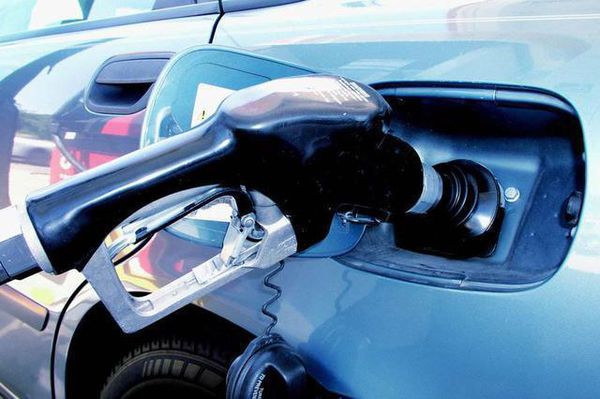
The roll‑out of National‑VI exerts influences on many parties. Leaving individual users aside, viewed from national conditions, China’s fuel quality lags far behind that of developed countries. Poor fuel quality will directly lead to higher exhaust emissions. Therefore, improving domestic fuel quality is one of the essential challenges to realize the smooth popularization of the National‑VI standard.
 With the continuous growth of car parc in China, air pollution and road congestion are getting increasingly serious. Therefore, the state has attached growing importance to environmental issues in recent years. Apart from vigorously promoting new‑energy vehicles, it has also set stringent requirements for exhaust emissions. From National‑I up to current National‑VI, though National‑VI has not been popularized in every region, according to the plan of the Ministry of Environmental Protection, the National‑VI emission standard would be fully implemented nationwide in 2020. Some cities even announced to advance the effective date to January 1, 2019. Nevertheless, the actual enforcement time varies from region to region. What impacts will this bring to consumers?
The impacts are considerable. Referring to past practice, after National‑V went into force, vehicles meeting National‑I and National‑II emission standards were banned from entering the Fifth Ring Road of Beijing and could not be resold to other regions. Following this trend, traffic restrictions are very likely to be imposed on National‑III and National‑IV vehicles after National‑VI is officially implemented. Of course, all practices shall be subject to national and local policies.
For the moment, the impact remains limited. The market retains a large stock of National‑V vehicles with relatively good emission performance. Even after stringent policies are rolled out at a later stage, National‑V vehicles will not be threatened by regional traffic restrictions or second‑hand‑vehicle relocation‑in / relocation‑out rules in the short run. Even if relevant restrictions occur, they will only appear in a small number of regions after a long period of time. The most remarkable impact on National‑V vehicles lies in their residual value retention rate, and users may face higher vehicle‑replacement costs in the future.
For consumers, you may worry whether your vehicles with older emission standards will be phased out. At present, China has abolished mandatory scrapping rules. That means vehicles will not be forced to scrap even after 20 years of service, provided they can pass emission inspections. Vehicles older than 6 years need annual inspection. In fact, the actual impact is not as severe as imagined. However, it is inevitable that residual values will be affected, especially for consumers who have just bought brand‑new National‑V vehicles.
Heavy‑duty‑vehicle owners arguably suffer the most. If a truck worth more than 500,000 RMB has to be replaced in less than 5 years due to sub‑standard exhaust emissions, drivers will suffer huge losses. For National‑IV vehicle owners, greater difficulties in license registration and ownership transfer are inevitable. Nevertheless, the implementation of the National‑VI standard is an established fact given current conditions.
In regions where National‑VI was implemented in advance, local dealers are under huge pressure. They hope to clear inventories before National‑VI takes effect to avoid unsalable National‑V vehicles after National‑VI models hit the market. Price reduction serves as the most direct and effective measure for inventory clearance.
The above covers major influences of National‑VI on individuals and the whole country. Meanwhile, major automakers are also faced with heavy pressure for R&D and technical upgrading. For automakers such as Haima and Lifan, which have suffered consecutive losses and low sales volume and lack capital for R&D, National‑VI constitutes a life‑or‑death test. Under the general trend of industrial evolution, enterprises failing to keep pace with the times are highly likely to be eliminated by the market.
The basic framework of regulations and future trends is clear. According to the rules, all new‑type engines and new motor vehicles subject to type inspection shall comply with this standard starting from January 1, 2019. Starting from January 1, 2020, new vehicles failing to meet the "China National‑VI" emission standard shall not be produced, sold or registered; new engines that do not satisfy the standard shall not be manufactured, sold or put into service.
Once the National‑VI emission standard is officially implemented, dealers will generally offer preferential policies to clear National‑V vehicle stocks as soon as possible. Whether you can buy a National‑V vehicle depends on specific situations. If you are in urgent need of a car and there are substantial discounts, purchasing a National‑V vehicle can be cost‑effective. If you do not have an urgent demand for vehicles, you are advised to wait for National‑VI models, since National‑V vehicles may encounter risks concerning service life and residual value retention in the future.
While stringent emission standards reduce environmental pollution and promote technical progress of manufacturers, we hope old vehicles will not be subject to a "one‑size‑fits‑all" ban. For car shoppers in the near term, you’d better wait if you are not in urgent need of a car, as the standard will affect your vehicle’s residual value and service‑life prospect. Buy the new‑standard vehicles whenever possible.
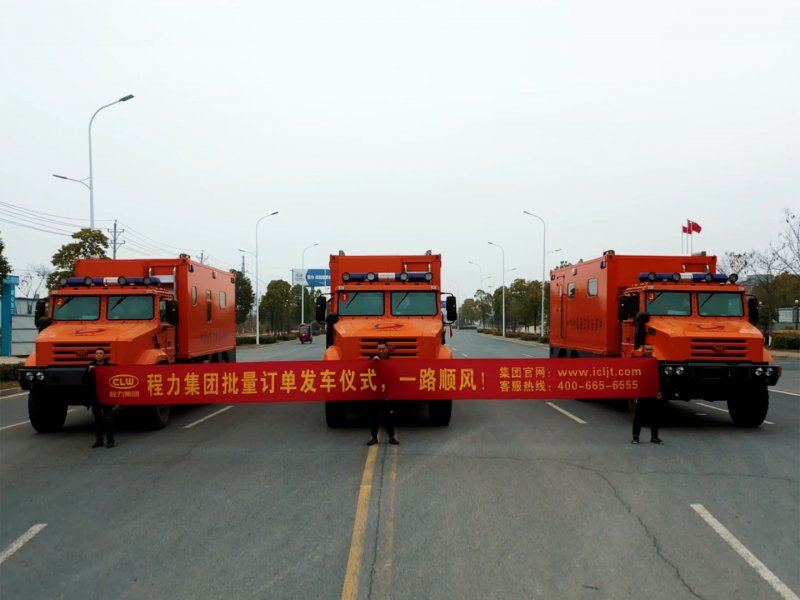
Chengli’s National‑VI models have been successively released for sale:
National‑VI Dongfeng Dolica High‑pressure Jetting & Sewage Suction Truck
National‑VI Dongfeng Dolica D9 Water Sprinkler Truck
In recent years, vehicle exhaust emissions have always been a hot‑button topic drawing global attention, and China is no exception. The Ministry of Environmental Protection issued requirements stipulating that the China National‑VI emission standard shall be mandatorily implemented for light‑duty vehicles starting from July 1, 2020. The National‑VI standard is 40%‑50% stricter than the National‑V standard, which shows its rigorous requirements.
At the beginning of 2020, the National‑VI regulation was fully implemented. National‑VI imposes strict limits on pollutant emissions. Excluding the influences of operating conditions and testing, carbon monoxide emissions from gasoline vehicles are reduced by 50%, total hydrocarbon and non‑methane hydrocarbon emission limits are cut by 50%, and nitrogen oxide emission limits are tightened by 42%. It has become one of the strictest standards across the globe.
1. Starting from July 1, 2020, all light‑duty vehicles sold and registered shall meet the limit requirements of China National‑VI 6a;
2. Starting from July 1, 2023, all light‑duty vehicles sold and registered shall comply with the limit requirements of China National‑VI 6b.
At first, National‑III vehicles may face mandatory scrapping. Many regions in China have already imposed traffic restrictions on National‑III vehicles. After the official implementation of National‑VI, National‑III vehicles will share the same fate of being scrapped as National‑II vehicles.
Secondly, the residual value retention rate of vehicles complying with National‑V and lower standards drops significantly. Restricted by the National‑VI standard, it is estimated that National‑IV vehicles will even face difficulties in license registration, and price drops for National‑V vehicles have become an established trend.
The roll‑out of National‑VI exerts influences on many parties. Leaving individual users aside, viewed from national conditions, China’s fuel quality lags far behind that of developed countries. Poor fuel quality will directly lead to higher exhaust emissions. Therefore, improving domestic fuel quality is one of the essential challenges to realize the smooth popularization of the National‑VI standard.
The impacts are considerable. Referring to past practice, after National‑V went into force, vehicles meeting National‑I and National‑II emission standards were banned from entering the Fifth Ring Road of Beijing and could not be resold to other regions. Following this trend, traffic restrictions are very likely to be imposed on National‑III and National‑IV vehicles after National‑VI is officially implemented. Of course, all practices shall be subject to national and local policies.
For the moment, the impact remains limited. The market retains a large stock of National‑V vehicles with relatively good emission performance. Even after stringent policies are rolled out at a later stage, National‑V vehicles will not be threatened by regional traffic restrictions or second‑hand‑vehicle relocation‑in / relocation‑out rules in the short run. Even if relevant restrictions occur, they will only appear in a small number of regions after a long period of time. The most remarkable impact on National‑V vehicles lies in their residual value retention rate, and users may face higher vehicle‑replacement costs in the future.
For consumers, you may worry whether your vehicles with older emission standards will be phased out. At present, China has abolished mandatory scrapping rules. That means vehicles will not be forced to scrap even after 20 years of service, provided they can pass emission inspections. Vehicles older than 6 years need annual inspection. In fact, the actual impact is not as severe as imagined. However, it is inevitable that residual values will be affected, especially for consumers who have just bought brand‑new National‑V vehicles.
Heavy‑duty‑vehicle owners arguably suffer the most. If a truck worth more than 500,000 RMB has to be replaced in less than 5 years due to sub‑standard exhaust emissions, drivers will suffer huge losses. For National‑IV vehicle owners, greater difficulties in license registration and ownership transfer are inevitable. Nevertheless, the implementation of the National‑VI standard is an established fact given current conditions.
In regions where National‑VI was implemented in advance, local dealers are under huge pressure. They hope to clear inventories before National‑VI takes effect to avoid unsalable National‑V vehicles after National‑VI models hit the market. Price reduction serves as the most direct and effective measure for inventory clearance.
The above covers major influences of National‑VI on individuals and the whole country. Meanwhile, major automakers are also faced with heavy pressure for R&D and technical upgrading. For automakers such as Haima and Lifan, which have suffered consecutive losses and low sales volume and lack capital for R&D, National‑VI constitutes a life‑or‑death test. Under the general trend of industrial evolution, enterprises failing to keep pace with the times are highly likely to be eliminated by the market.
The basic framework of regulations and future trends is clear. According to the rules, all new‑type engines and new motor vehicles subject to type inspection shall comply with this standard starting from January 1, 2019. Starting from January 1, 2020, new vehicles failing to meet the "China National‑VI" emission standard shall not be produced, sold or registered; new engines that do not satisfy the standard shall not be manufactured, sold or put into service.
Once the National‑VI emission standard is officially implemented, dealers will generally offer preferential policies to clear National‑V vehicle stocks as soon as possible. Whether you can buy a National‑V vehicle depends on specific situations. If you are in urgent need of a car and there are substantial discounts, purchasing a National‑V vehicle can be cost‑effective. If you do not have an urgent demand for vehicles, you are advised to wait for National‑VI models, since National‑V vehicles may encounter risks concerning service life and residual value retention in the future.
While stringent emission standards reduce environmental pollution and promote technical progress of manufacturers, we hope old vehicles will not be subject to a "one‑size‑fits‑all" ban. For car shoppers in the near term, you’d better wait if you are not in urgent need of a car, as the standard will affect your vehicle’s residual value and service‑life prospect. Buy the new‑standard vehicles whenever possible.
Chengli’s National‑VI models have been successively released for sale:
National‑VI Dongfeng Dolica High‑pressure Jetting & Sewage Suction Truck
National‑VI Dongfeng Dolica D9 Water Sprinkler Truck