
Latest Penalty and Point Deduction Standards for Overloaded
Date:2026-10-26
Page views:
Latest Penalty and Point Deduction Standards for Overloaded Special Cargo Vehicles
Overloading of freight vehicles has long been a hot topic in transportation. Traffic accidents caused by overloaded trucks occur every year. It is particularly important to formulate stricter traffic regulations to protect people’s lives and property, and laws and regulations concerning overloading of special vehicles must be strictly enforced. As we all know, relevant Chinese laws have clear provisions on the load capacity of freight vehicles. Operators who commit overloading violations will face corresponding penalties. To help you understand the penalties for truck overloading, the editor from Hualv Network sorts out relevant knowledge about the new penalty standards for truck overloading today, hoping the compiled content can answer your questions.
I. Loading Provisions for Overloaded Freight Vehicles
(1) The number of passengers carried by highway passenger vehicles shall not exceed the approved passenger capacity, except for children exempt from tickets in accordance with relevant regulations. When the passenger capacity is full, the number of ticket-exempt children shall not exceed 10% of the approved passenger capacity;
(2) No passengers are allowed in the cargo compartment of freight vehicles. On urban roads, freight motor vehicles may carry 1 to 5 temporary operators in the cargo compartment when safe space is reserved; no passengers are allowed on the cargo when the cargo height exceeds the compartment rail;
(3) Minors under the age of 12 shall not ride on the rear seat of a motorcycle, and light motorcycles shall not carry passengers.
II. Penalty Standards for Truck Overloading
Overloading brings great harm to the service life of vehicles. It may lead to higher fuel consumption, aggravated cylinder wear, burnt clutch plates, fracture of vehicle frames and leaf springs, and other faults. Overloading also seriously endangers driving safety. Severe overloading may trigger tire blowouts and sudden vehicle deviation. It also severely impairs the steering performance of vehicles, making steering stiff and prone to rollover accidents. Therefore, relevant national laws have formulated penalty provisions for truck overloading.
Article 48 of the Road Traffic Safety Law stipulates: "Cargo carried by motor vehicles shall conform to the rated load mass, and overloading is strictly prohibited; the length, width and height of cargo shall not violate loading requirements, and cargo shall not be scattered or spilled." Article 92 stipulates: "Freight motor vehicles carrying cargo exceeding the rated load mass shall be fined not less than RMB 200 but not more than RMB 500; those exceeding the rated load mass by 30% or carrying passengers in violation of regulations shall be fined not less than RMB 500 but not more than RMB 2,000. If a vehicle of a transport unit still violates the rules after being penalized, the person-in-charge with direct accountability shall be fined not less than RMB 2,000 but not more than RMB 5,000."
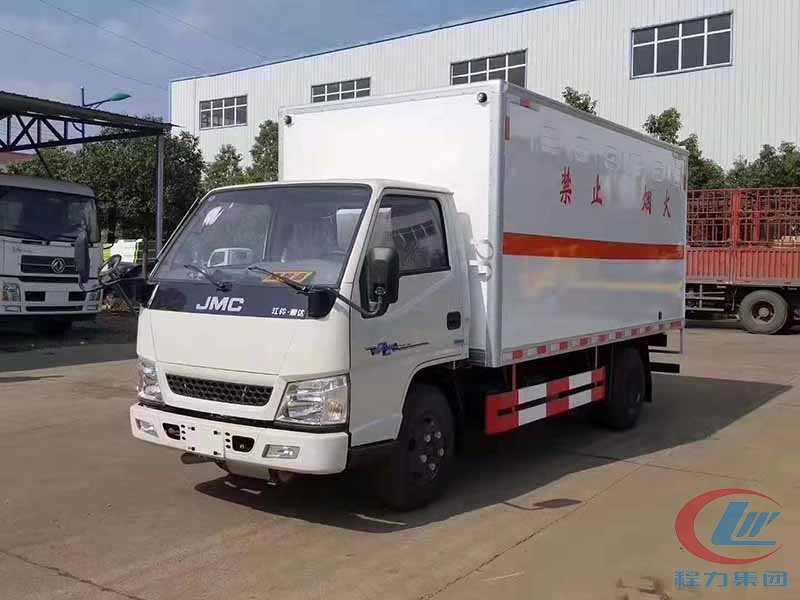 What Are the Penalty Standards for Truck Overloading
Article 48 of the Road Traffic Safety Law stipulates: "Cargo carried by motor vehicles shall conform to the rated load mass, and overloading is strictly prohibited; the length, width and height of cargo shall not violate loading requirements, and cargo shall not be scattered or spilled."
Article 92 stipulates: "Freight motor vehicles carrying cargo exceeding the rated load mass shall be fined not less than RMB 200 but not more than RMB 500; those exceeding the rated load mass by 30% or carrying passengers in violation of regulations shall be fined not less than RMB 500 but not more than RMB 2,000. If a vehicle of a transport unit still violates the rules after being penalized, the person-in-charge with direct accountability shall be fined not less than RMB 2,000 but not more than RMB 5,000."
Latest Point Deduction Standards for Truck Overloading
Driving operating passenger buses (excluding public transport buses) or school buses with passengers exceeding 20% of the approved capacity: 12 points deducted at one time;
Driving operating passenger buses (excluding public transport buses) or school buses with passengers not exceeding 20% of the approved capacity, or driving other passenger vehicles with passengers exceeding 20% of the approved capacity; driving freight vehicles with cargo exceeding 30% of the rated load mass or carrying passengers in violation of regulations: 6 points deducted at one time;
Driving passenger vehicles other than operating passenger buses (excluding public transport buses) and school buses with passengers not exceeding 20% of the approved capacity: 3 points deducted at one time.
III. Calculation Standards for Truck Overloading
(1) The total height of vehicle and cargo measured from the ground exceeds 4 meters;
(2) The total width of vehicle and cargo exceeds 2.55 meters;
(3) The total length of vehicle and cargo exceeds 1.81 meters;
(4) Two-axle freight vehicles: the total mass of vehicle and cargo exceeds 18 tons, down from the previous unified standard of 30 tons;
(5) Three-axle freight vehicles: the total mass of vehicle and cargo exceeds 25 tons; three-axle vehicle trains: the total mass of vehicle and cargo exceeds 27 tons, down from the previous unified standard of 30 tons;
(6) Four-axle freight vehicles: the total mass of vehicle and cargo exceeds 31 tons; four-axle vehicle trains: the total mass of vehicle and cargo exceeds 36 tons, down from the previous unified standard of 30 tons;
(7) Five-axle vehicle trains: the total mass of vehicle and cargo exceeds 43 tons, down from the previous unified standard of 50 tons;
(8) Six-axle and above vehicle trains: the total mass of vehicle and cargo exceeds 49 tons; if the driving axle of the tractor is a single axle, the total mass of vehicle and cargo exceeds 46 tons, down from the previous unified standard of 55 tons;
Road Traffic Safety Law of the People's Republic of China
Article 48 Motor vehicles carrying cargo shall conform to the rated load mass, and overloading is strictly prohibited; the length, width and height of cargo shall not violate loading requirements, and cargo shall not be scattered or spilled.
Where a motor vehicle carries oversized indivisible goods that may affect road traffic safety, it shall travel at the time, along the route and at the speed designated by the traffic control department of the public security organ and carry obvious marks. Carrying oversized indivisible goods on highways shall also comply with the Highway Law.
Motor vehicles carrying explosive articles, flammable and explosive chemicals, highly toxic substances, radioactive materials and other dangerous goods shall, upon approval by public security organs, travel at the designated time, along the designated route and at the designated speed, display warning signs and take necessary safety measures.
Article 49 Motor vehicles shall not carry passengers exceeding the approved number; passenger motor vehicles shall not carry cargo in violation of regulations.
Overloading of freight vehicles has long been a hot topic in transportation. Traffic accidents caused by overloaded trucks occur every year. It is particularly important to formulate stricter traffic regulations to protect people’s lives and property, and laws and regulations concerning overloading of special vehicles must be strictly enforced. As we all know, relevant Chinese laws have clear provisions on the load capacity of freight vehicles. Operators who commit overloading violations will face corresponding penalties. To help you understand the penalties for truck overloading, the editor from Hualv Network sorts out relevant knowledge about the new penalty standards for truck overloading today, hoping the compiled content can answer your questions.
I. Loading Provisions for Overloaded Freight Vehicles
(1) The number of passengers carried by highway passenger vehicles shall not exceed the approved passenger capacity, except for children exempt from tickets in accordance with relevant regulations. When the passenger capacity is full, the number of ticket-exempt children shall not exceed 10% of the approved passenger capacity;
(2) No passengers are allowed in the cargo compartment of freight vehicles. On urban roads, freight motor vehicles may carry 1 to 5 temporary operators in the cargo compartment when safe space is reserved; no passengers are allowed on the cargo when the cargo height exceeds the compartment rail;
(3) Minors under the age of 12 shall not ride on the rear seat of a motorcycle, and light motorcycles shall not carry passengers.
II. Penalty Standards for Truck Overloading
Overloading brings great harm to the service life of vehicles. It may lead to higher fuel consumption, aggravated cylinder wear, burnt clutch plates, fracture of vehicle frames and leaf springs, and other faults. Overloading also seriously endangers driving safety. Severe overloading may trigger tire blowouts and sudden vehicle deviation. It also severely impairs the steering performance of vehicles, making steering stiff and prone to rollover accidents. Therefore, relevant national laws have formulated penalty provisions for truck overloading.
Article 48 of the Road Traffic Safety Law stipulates: "Cargo carried by motor vehicles shall conform to the rated load mass, and overloading is strictly prohibited; the length, width and height of cargo shall not violate loading requirements, and cargo shall not be scattered or spilled." Article 92 stipulates: "Freight motor vehicles carrying cargo exceeding the rated load mass shall be fined not less than RMB 200 but not more than RMB 500; those exceeding the rated load mass by 30% or carrying passengers in violation of regulations shall be fined not less than RMB 500 but not more than RMB 2,000. If a vehicle of a transport unit still violates the rules after being penalized, the person-in-charge with direct accountability shall be fined not less than RMB 2,000 but not more than RMB 5,000."
Article 48 of the Road Traffic Safety Law stipulates: "Cargo carried by motor vehicles shall conform to the rated load mass, and overloading is strictly prohibited; the length, width and height of cargo shall not violate loading requirements, and cargo shall not be scattered or spilled."
Article 92 stipulates: "Freight motor vehicles carrying cargo exceeding the rated load mass shall be fined not less than RMB 200 but not more than RMB 500; those exceeding the rated load mass by 30% or carrying passengers in violation of regulations shall be fined not less than RMB 500 but not more than RMB 2,000. If a vehicle of a transport unit still violates the rules after being penalized, the person-in-charge with direct accountability shall be fined not less than RMB 2,000 but not more than RMB 5,000."
Latest Point Deduction Standards for Truck Overloading
Driving operating passenger buses (excluding public transport buses) or school buses with passengers exceeding 20% of the approved capacity: 12 points deducted at one time;
Driving operating passenger buses (excluding public transport buses) or school buses with passengers not exceeding 20% of the approved capacity, or driving other passenger vehicles with passengers exceeding 20% of the approved capacity; driving freight vehicles with cargo exceeding 30% of the rated load mass or carrying passengers in violation of regulations: 6 points deducted at one time;
Driving passenger vehicles other than operating passenger buses (excluding public transport buses) and school buses with passengers not exceeding 20% of the approved capacity: 3 points deducted at one time.
III. Calculation Standards for Truck Overloading
(1) The total height of vehicle and cargo measured from the ground exceeds 4 meters;
(2) The total width of vehicle and cargo exceeds 2.55 meters;
(3) The total length of vehicle and cargo exceeds 1.81 meters;
(4) Two-axle freight vehicles: the total mass of vehicle and cargo exceeds 18 tons, down from the previous unified standard of 30 tons;
(5) Three-axle freight vehicles: the total mass of vehicle and cargo exceeds 25 tons; three-axle vehicle trains: the total mass of vehicle and cargo exceeds 27 tons, down from the previous unified standard of 30 tons;
(6) Four-axle freight vehicles: the total mass of vehicle and cargo exceeds 31 tons; four-axle vehicle trains: the total mass of vehicle and cargo exceeds 36 tons, down from the previous unified standard of 30 tons;
(7) Five-axle vehicle trains: the total mass of vehicle and cargo exceeds 43 tons, down from the previous unified standard of 50 tons;
(8) Six-axle and above vehicle trains: the total mass of vehicle and cargo exceeds 49 tons; if the driving axle of the tractor is a single axle, the total mass of vehicle and cargo exceeds 46 tons, down from the previous unified standard of 55 tons;
Road Traffic Safety Law of the People's Republic of China
Article 48 Motor vehicles carrying cargo shall conform to the rated load mass, and overloading is strictly prohibited; the length, width and height of cargo shall not violate loading requirements, and cargo shall not be scattered or spilled.
Where a motor vehicle carries oversized indivisible goods that may affect road traffic safety, it shall travel at the time, along the route and at the speed designated by the traffic control department of the public security organ and carry obvious marks. Carrying oversized indivisible goods on highways shall also comply with the Highway Law.
Motor vehicles carrying explosive articles, flammable and explosive chemicals, highly toxic substances, radioactive materials and other dangerous goods shall, upon approval by public security organs, travel at the designated time, along the designated route and at the designated speed, display warning signs and take necessary safety measures.
Article 49 Motor vehicles shall not carry passengers exceeding the approved number; passenger motor vehicles shall not carry cargo in violation of regulations.