
Road Dangerous Goods Vehicle Regulations – Chengli
Date:2026-10-28
Page views:
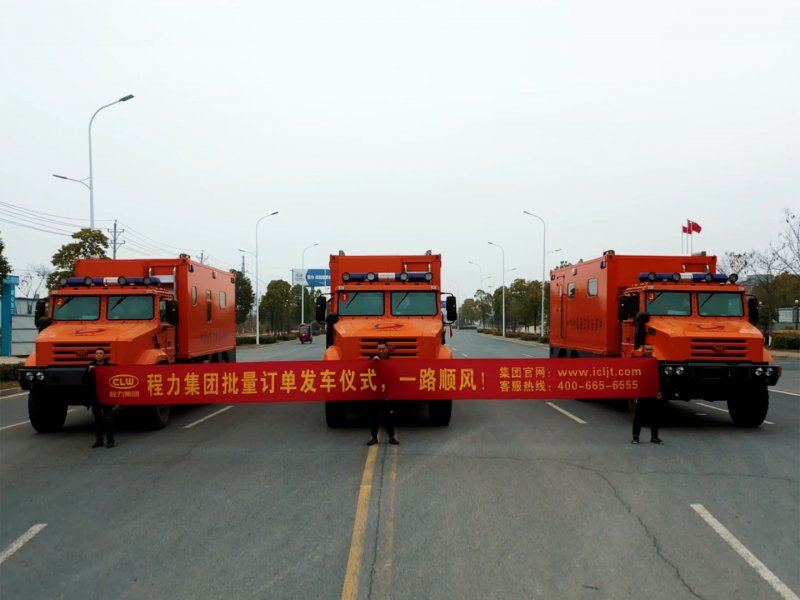
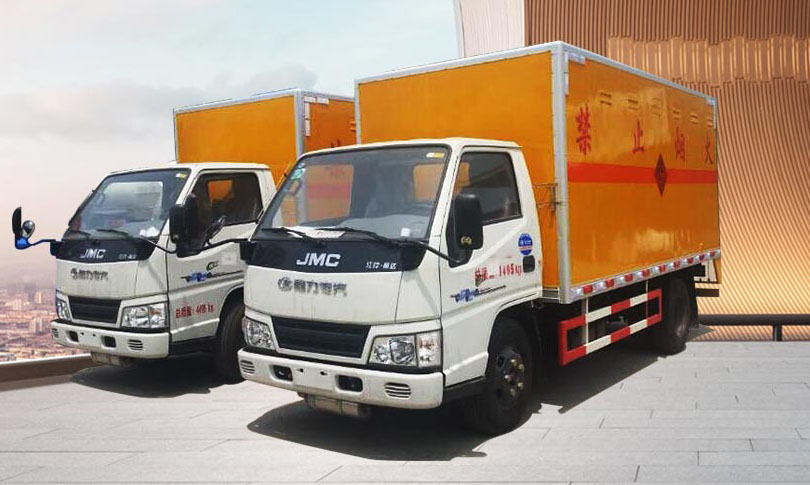
As the name suggests, dangerous goods transport vehicles are specially designed for transporting hazardous materials. Due to their extreme risk, relevant laws and regulations must be strictly observed during transportation to prevent safety hazards. Chengli Automobile Group specializes in manufacturing a wide range of special vehicles, including dangerous goods transport vehicles, tank-type dangerous goods vehicles, and box-type dangerous goods vehicles. Here, Chengli Automobile Group summarizes the regulations on road dangerous goods transport for your reference:
Chapter 1
General Provisions
Article 1 These Regulations are formulated in accordance with the Regulations of the People's Republic of China on Road Transport, the Regulations on the Safety Management of Hazardous Chemicals, and other relevant laws and administrative regulations, in order to regulate the market order of road dangerous goods transport, protect people's lives and property, protect the environment, and safeguard the lawful rights and interests of all parties involved in road dangerous goods transport.
Article 2 Entities engaged in road dangerous goods transport activities shall comply with these Regulations. Military dangerous goods transport shall be excluded.
Where laws or administrative regulations provide otherwise for the road transport of specific types of dangerous goods such as civil explosives, fireworks and firecrackers, and radioactive materials, such provisions shall prevail.
Article 3 For the purposes of these Regulations, dangerous goods refer to substances and articles with hazardous characteristics such as explosion, flammability, toxicity, infectivity, and corrosivity, which may cause personal injury, property damage, or environmental pollution during production, operation, transport, storage, use, and disposal, and therefore require special protection. Dangerous goods shall be based on the national standard List of Dangerous Goods (GB12268); those not listed in the List of Dangerous Goods shall be determined according to relevant laws, administrative regulations, or results published by relevant departments of the State Council.
For the purposes of these Regulations, road dangerous goods transport refers to the entire process of transporting dangerous goods by road using freight vehicles.
For the purposes of these Regulations, road dangerous goods transport vehicles refer to freight vehicles that meet specific technical conditions and requirements and are engaged in road dangerous goods transport (hereinafter referred to as special vehicles).
Article 4 The classification, subdivision, proper shipping names, and UN numbers of dangerous goods shall comply with the national standards Classification and Numbering of Dangerous Goods (GB6944) and List of Dangerous Goods (GB12268). The degree of danger of dangerous goods shall be classified into Class I, Class II, and Class III according to the national standard General Technical Conditions for the Packaging of Dangerous Goods (GB12463).
Article 5 Entities engaged in road dangerous goods transport shall ensure safety, transport in accordance with the law, and act with honesty and credibility.
Article 6 The State encourages large-scale professional hazardous chemical manufacturing enterprises with strong technical capabilities, advanced equipment, and good transport conditions to engage in road dangerous goods transport, encourages road dangerous goods transport enterprises to adopt intensive and specialized operations, and encourages the use of special vehicles such as box-type, tank-type, and container vehicles for transporting dangerous goods.
Article 7 The Ministry of Transport shall be responsible for the administration of road dangerous goods transport nationwide.
The transport authorities of local people's governments at or above the county level shall be responsible for organizing and leading the administration of road dangerous goods transport within their respective administrative areas.
Road transport management agencies at or above the county level shall be responsible for the specific implementation of road dangerous goods transport administration.
 Chapter 2
Licensing of Road Dangerous Goods Transport
Article 8 To apply for engagement in road dangerous goods transport operations, the following conditions shall be met:
(1) Possession of special vehicles and equipment meeting the following requirements:
1. Ownership of no fewer than 5 special vehicles (excluding trailers); for transport of highly toxic chemicals or explosives, ownership of no fewer than 10 special vehicles (excluding trailers).
2. Technical requirements for special vehicles shall comply with the relevant provisions of the Regulations on the Technical Administration of Road Transport Vehicles.
3. Equipped with effective communication tools.
4. Special vehicles shall be fitted with satellite positioning devices with travel recording functions.
5. For transport of highly toxic chemicals, explosives, or explosive precursor chemicals, tank-type or box-type special vehicles or special containers such as pressure vessels shall be provided.
6. Tank bodies of tank-type special vehicles shall pass inspection by quality inspection authorities, and the total mass of the loaded tank body shall match the rated load capacity of the special vehicle. The tank volume of tank-type special vehicles transporting explosives or highly corrosive dangerous goods shall not exceed 20 cubic meters; the tank volume of tank-type special vehicles transporting highly toxic chemicals shall not exceed 10 cubic meters, except for tank containers complying with relevant national standards.
7. Non-tank special vehicles transporting highly toxic chemicals, explosives, or highly corrosive dangerous goods shall have a rated load capacity of no more than 10 tons, except for container transport special vehicles complying with relevant national standards.
8. Equipped with safety protection, environmental protection, and fire prevention facilities and equipment appropriate to the nature of the dangerous goods being transported.
(2) Possession of parking lots meeting the following requirements:
1. Ownership or lease of parking lots for a period of no fewer than 3 years, suitable for the business scope and scale, and located within the prefecture-level administrative area of the enterprise's registration.
2. For special vehicles transporting highly toxic chemicals, explosives, or tank-type special vehicles: if the number is 20 or fewer, the parking lot area shall be no less than 1.5 times the projected area of the vehicles; if the number exceeds 20, the parking lot area for each additional vehicle shall be no less than the projected area of the vehicle. For other dangerous goods: if the number of special vehicles is 10 or fewer, the parking lot area shall be no less than 1.5 times the projected area of the vehicles; if the number exceeds 10, the parking lot area for each additional vehicle shall be no less than the projected area of the vehicle.
3. Parking lots shall be enclosed and marked with clear signs, and shall not interfere with residential life or threaten public safety.
(3) Possession of practitioners and safety management personnel meeting the following requirements:
1. Drivers of special vehicles shall hold corresponding motor vehicle driving licenses and be no older than 60 years of age.
2. Drivers, loading and unloading managers, and escorts engaged in road dangerous goods transport shall pass examinations administered by the transport authorities of the municipal people's governments at the locality divided into districts, and obtain corresponding qualification certificates. For drivers, loading and unloading managers, and escorts engaged in the road transport of highly toxic chemicals or explosives, they shall pass examinations and obtain qualification certificates specifying the category as "highly toxic chemical transport" or "explosive transport".
3. Enterprises shall be staffed with full-time safety management personnel.
(4) A sound safety production management system shall be in place:
1. Safety production responsibility system for the principal responsible person of the enterprise, the responsible person of the safety management department, and full-time safety management personnel.
2. Safety production responsibility system for practitioners.
3. Safety production supervision and inspection system.
4. Safety production education and training system.
5. Safety management system for practitioners, special vehicles, equipment, and parking lots.
6. Emergency rescue plan system.
7. Safety production operating procedures.
8. Safety production assessment and reward and punishment system.
9. Safety accident reporting, statistics, and handling system.
Article 9 Enterprises and public institutions meeting the following conditions may use their own special vehicles for non-commercial road dangerous goods transport serving only their own units:
(1) Being one of the following enterprises or public institutions:
1. Enterprises engaged in the production, use, or storage of hazardous chemicals, approved by safety production supervision and management departments at or above the provincial level.
2. Scientific research, high-end, and other enterprises or public institutions with special needs.
(2) Meeting the conditions specified in Article 8, except that the number of self-owned special vehicles (excluding trailers) may be fewer than 5.
Article 10 Enterprises applying for engagement in road dangerous goods transport operations shall, after completing the relevant registration procedures with the administrative authority for industry and commerce in accordance with the law, submit an application to the road transport management agency of the municipal people's government at the locality divided into districts, along with the following materials:
(1) Application Form for Road Dangerous Goods Transport Operations, including basic information about the applicant and the scope of dangerous goods to be transported (category, subcategory, or proper shipping name; for highly toxic chemicals, "highly toxic" shall be indicated).
(2) Identification documents and copies of the investor or person in charge proposed to serve as the legal representative of the enterprise, and identification documents, copies, and written power of attorney of the handler.
(3) Text of the articles of association of the enterprise.
(4) Materials certifying the status of special vehicles and equipment, including:
1. For special vehicles and equipment not yet purchased, a commitment letter for special vehicles and equipment to be put into service shall be submitted. The commitment letter shall include vehicle quantity, type, technical grade, total mass, rated load capacity, number of axles, and overall dimensions; the status of communication tools and satellite positioning devices; the tank volume of tank-type special vehicles; the matching status between the total mass of loaded tank bodies and the rated load capacity of special vehicles; and the rated load capacity of special vehicles for transporting highly toxic chemicals, explosives, or explosive precursor chemicals. The commitment period shall not exceed 1 year.
2. For special vehicles and equipment already purchased, vehicle registration certificates, technical grade evaluation conclusions, communication tools and satellite positioning devices, tank inspection certificates or inspection reports for tank-type special vehicles, and copies thereof shall be provided.
(5) For full-time safety management personnel, drivers, loading and unloading managers, and escorts to be employed, a commitment letter for proposed employment shall be submitted, with a commitment period not exceeding 1 year; for those already employed, qualification certificates, copies thereof, driving licenses, and copies thereof shall be submitted.
(6) Land use certificates, lease contracts, and site layout plans for parking lots.
(7) A list of safety protection, environmental protection, and fire prevention facilities and equipment.
(8) Text of the safety production management system.
Article 11 When a unit applying for non-commercial road dangerous goods transport submits an application to the road transport management agency of the municipal people's government at the locality divided into districts, in addition to the materials specified in items (4) through (8) of Article 10, the following materials shall also be submitted:
(1) Application Form for Road Dangerous Goods Transport, including basic information about the applicant and the scope of articles to be transported (category, subcategory, or proper shipping name; for highly toxic chemicals, "highly toxic" shall be indicated).
(2) Proof of the basic status of the unit in one of the following forms:
1. Certificates of production, use, etc. of hazardous chemicals issued by safety production supervision and management departments at or above the provincial level.
2. Relevant materials certifying the nature or business scope of scientific research, high-end, and other enterprises or public institutions.
(3) Explanatory materials for special transport needs.
(4) Identification documents and copies of the handler, and a written power of attorney.
Article 12 Road transport management agencies of the municipalities divided into districts shall implement administrative licensing for road dangerous goods transport in accordance with the Regulations of the People's Republic of China on Road Transport, the Provisions on the Procedures for the Implementation of Administrative Licensing in Transport, and the procedures and time limits specified in these Regulations, and conduct on-site verification.
If the licensing decision is granted, the licensing authority shall issue a Decision on Administrative Licensing for Road Dangerous Goods Transport to the licensee, specifying the licensed items. The specific content shall include the scope of dangerous goods transport (category, subcategory, or proper shipping name; for highly toxic chemicals, "highly toxic" shall be indicated), the number and requirements of special vehicles, and the nature of transport. Within 10 days, the Road Transport Operation Permit shall be issued to applicants for road dangerous goods transport operations, and the Road Dangerous Goods Transport Permit shall be issued to applicants for non-commercial road dangerous goods transport.
Municipal road transport management agencies shall promptly notify county-level road transport management agencies in writing of the licensed items for enterprises or units that have been granted licensing.
If the licensing decision is denied, the licensing authority shall issue a Decision on Denial of Transport Administrative Licensing to the applicant.
Article 13 Where a licensee has already obtained other road transport operation permits, the road transport management agency of the municipality divided into districts shall issue a new Road Transport Operation Permit, and add the newly licensed items to the business scope. If the original Road Transport Operation Permit was issued by a provincial-level road transport management agency, the original licensing authority shall renew it in accordance with the above requirements.
Article 14 The licensee shall put the planned special vehicles and equipment into service within the commitment period.
The original licensing authority shall verify the special vehicles and equipment put into service by the licensee. For special vehicles meeting the licensing conditions, a Road Transport Permit shall be issued, and the permitted categories, subcategories, or proper shipping names of dangerous goods shall be indicated in the business scope column of the Road Transport Permit; for highly toxic chemicals, "highly toxic" shall be indicated. For vehicles engaged in non-commercial road dangerous goods transport, a "special seal for non-commercial dangerous goods transport" shall also be affixed.
If the licensee fails to put the special vehicles and equipment into service within the commitment period, the original licensing authority shall revoke the licensing decision and take back the issued licensing documents.
Article 15 The licensee shall employ the planned full-time safety management personnel, drivers, loading and unloading managers, and escorts within the commitment period.
If the licensee fails to employ full-time safety management personnel, drivers, loading and unloading managers, and escorts as committed within the commitment period, the original licensing authority shall revoke the licensing decision and take back the issued licensing documents.
Article 16 Road transport management agencies shall not grant one-time or temporary road dangerous goods transport licenses.
Article 17 Sino-foreign joint ventures, Sino-foreign cooperative enterprises, and wholly foreign-owned enterprises investing in road dangerous goods transport shall also comply with the Regulations on the Administration of Foreign Investment in the Road Transport Industry.
Article 18 Where a road dangerous goods transport enterprise establishes a subsidiary to engage in road dangerous goods transport, it shall apply for a transport license from the road transport management agency of the municipality divided into districts where the subsidiary is registered. Where a branch is established, it shall file a record with the road transport management agency of the municipality divided into districts where the branch is registered.
Article 19 Where a road dangerous goods transport enterprise or unit needs to change the licensed items, it shall submit an application to the original licensing authority and handle the matter in accordance with the relevant licensing provisions in this Chapter.
Where a road dangerous goods transport enterprise or unit changes its legal representative, name, address, or other business registration items, it shall file a record with the original licensing authority within 30 days.
Article 20 Where a road dangerous goods transport enterprise or unit terminates its dangerous goods transport business, it shall notify the original licensing authority 30 days before the date of termination, and return the Road Transport Operation Permit or Road Dangerous Goods Transport Permit and the Road Transport Permit to the original licensing authority within 10 days after suspension of business.
Chapter 3
Management of Special Vehicles and Equipment
Article 21 Road dangerous goods transport enterprises or units shall maintain, inspect, use, and manage special vehicles in accordance with the relevant vehicle management provisions of the Regulations on the Technical Administration of Road Transport Vehicles, to ensure that special vehicles are in good technical condition.
Article 22 Road transport management agencies of the municipalities divided into districts shall conduct regular inspections of special vehicles once a year. Inspections shall be carried out in accordance with the Regulations on the Technical Administration of Road Transport Vehicles, with the following additional inspection items:
(1) Insurance status of carrier liability insurance for dangerous goods;
(2) Availability of necessary emergency response equipment, safety protection facilities, and special vehicle signs;
(3) Availability of satellite positioning devices with travel recording functions.
Article 23 It is prohibited to use scrapped, illegally modified, substandard, or other vehicles that fail to meet national requirements or whose technical grade is below Grade 1 for road dangerous goods transport.
With the exception of articulated trains and large object transport special vehicles with special equipment, it is strictly prohibited to use freight vehicle trains for dangerous goods transport; dump vehicles may only transport bulk dangerous goods such as sulfur, naphthalene cakes, crude anthracene, and coal tar pitch.
It is prohibited to use mobile tanks (except tank containers) for dangerous goods transport.
Article 24 The technical condition of machinery and tools used for loading and unloading dangerous goods shall comply with the technical requirements specified in the industry standard Rules for the Transport of Dangerous Goods by Automobile (JT617).
Article 25 Atmospheric pressure tank bodies of tank-type special vehicles shall comply with the national standards Technical Requirements for Atmospheric Pressure Tank Vehicles for Road Transport of Liquid Dangerous Goods - Part 1: Metallic Atmospheric Pressure Tank Bodies (GB18564.1) and Technical Requirements for Atmospheric Pressure Tank Vehicles for Road Transport of Liquid Dangerous Goods - Part 2: Non-metallic Atmospheric Pressure Tank Bodies (GB18564.2).
Where pressure vessels are used to transport dangerous goods, they shall comply with the relevant technical requirements specified in the Safety Technical Supervision Regulation for Mobile Pressure Vessels (TSG R0005), formulated and promulgated by the national authority for the safety supervision of special equipment.
Pressure vessels and tank-type special vehicles may only carry dangerous goods within the valid period of the inspection certificate for pressure vessels or tank bodies issued by the quality inspection authority.
Article 26 Road dangerous goods transport enterprises or units shall inspect reusable dangerous goods packaging and containers before reuse; those found to have safety hazards shall be repaired or replaced.
Road dangerous goods transport enterprises or units shall keep records of inspections, and the retention period shall be no less than 2 years.
Article 27 Road dangerous goods transport enterprises or units shall have atmospheric pressure tank bodies cleaned (purged) by institutions with pollutant treatment capabilities, collect waste gas, waste water, and other pollutants centrally, eliminate pollution, and shall not discharge them at will to pollute the environment.
Chapter 4
Road Dangerous Goods Transport
Article 28 Road dangerous goods transport enterprises or units shall strictly conduct road dangerous goods transport activities in accordance with the licensed items decided by the road transport management agency, and shall not transfer or lease road dangerous goods transport permits.
It is strictly prohibited for non-commercial road dangerous goods transport units to engage in road dangerous goods transport operations.
Article 29 Shippers of dangerous goods shall entrust enterprises qualified for road dangerous goods transport to carry the goods.
Shippers of dangerous goods shall record the type, quantity, carrier, and other relevant information of the dangerous goods being shipped, and the record retention period shall be no less than 1 year.
Article 30 Shippers of dangerous goods shall properly package the dangerous goods in strict accordance with relevant national regulations, set signs on the outer packaging, and inform the carrier of the proper shipping name, quantity, hazards, emergency measures, etc. Where inhibitors or stabilizers need to be added, the shipper shall add them in accordance with regulations and inform the carrier of relevant precautions.
Where shippers of dangerous goods ship hazardous chemicals, they shall also submit safety data sheets and safety labels that are completely consistent with the hazardous chemicals being shipped.
Article 31 Tank-type special vehicles or special vehicles transporting toxic, infectious, or corrosive dangerous goods shall not be used to transport ordinary goods.
Other special vehicles may transport ordinary goods other than food, daily necessities, pharmaceuticals, and medical devices, but the transport enterprise shall decontaminate the special vehicles to ensure that ordinary goods are not contaminated or damaged.
Dangerous goods and ordinary goods shall not be mixed and transported.
Article 32 Special vehicles shall display signs in accordance with the requirements of the national standard Signs for Road Transport of Dangerous Goods Vehicles (GB13392).
Article 33 Enterprises or units transporting highly toxic chemicals or explosives shall be equipped with dedicated parking areas and marked with clear warning signs.
Article 34 Special vehicles shall be equipped with emergency response equipment and safety protection devices complying with relevant national standards and appropriate to the dangerous goods being carried.
Article 35 Road dangerous goods transport enterprises or units shall not transport goods prohibited by laws or administrative regulations.
For restricted transport goods or goods requiring transport certificates as stipulated by laws or administrative regulations, road dangerous goods transport enterprises or units shall complete the relevant transport procedures in accordance with relevant provisions.
For dangerous goods that shippers must complete relevant procedures before transport as stipulated by laws or administrative regulations, road dangerous goods transport enterprises shall verify that the relevant procedures are complete and valid before accepting the goods for transport.
Article 36 Road dangerous goods transport enterprises or units shall take necessary measures to prevent dangerous goods from falling off, scattering, being lost, or catching fire, exploding, or leaking.
Article 37 Drivers shall carry the Road Transport Permit with them. Drivers or escorts shall carry the Safety Card for Road Transport of Dangerous Goods in accordance with the requirements of the Rules for the Transport of Dangerous Goods by Automobile (JT617).
Article 38 During road dangerous goods transport, in addition to the driver, an escort shall be assigned to the special vehicle to ensure that the dangerous goods are under the supervision of the escort.
Article 39 During road dangerous goods transport, drivers shall not stop at will.
Where a long stop is required due to accommodation or circumstances affecting normal transport, the driver and escort shall set up warning tapes and take corresponding safety precautions.
Where a long stop is required for transporting highly toxic chemicals or explosive precursor chemicals, the driver or escort shall report to the local public security authority.
Article 40 Loading and unloading operations for dangerous goods shall comply with safety operation standards, procedures, and systems, and be conducted under the on-site direction or supervision of loading and unloading managers.
Shippers and carriers of dangerous goods transport shall assign loading and unloading managers in accordance with the contract; if the contract is silent on this, the party responsible for loading and unloading operations shall assign the loading and unloading manager.
Article 41 Drivers, loading and unloading managers, and escorts shall carry their qualification certificates with them when on duty.
Article 42 It is strictly prohibited for special vehicles to overload or exceed limits in violation of relevant national provisions.
When road dangerous goods transport enterprises or units use tank-type special vehicles to transport goods, the total mass of the loaded tank body shall match the rated load capacity of the special vehicle; when using tractor vehicles to transport goods, the total mass of the loaded trailer shall match the rated towing mass of the tractor.
Article 43 Road dangerous goods transport enterprises or units shall require drivers and escorts to strictly comply with relevant provisions on transport routes, times, and speeds for dangerous goods transport, and comply with relevant provisions on the passage of vehicles transporting highly toxic or explosive dangerous goods on expressways during major holidays.
Article 44 Road dangerous goods transport enterprises or units shall promptly correct and handle speeding, fatigued driving, non-compliance with designated routes, and other illegal driving behaviors through satellite positioning monitoring platforms or monitoring terminals.
Monitoring data shall be retained for at least 3 months, and illegal driving information and handling records shall be retained for at least 3 years.
Article 45 Practitioners in road dangerous goods transport must be familiar with safety production laws, technical standards, safety production rules and regulations, and safety operating procedures, understand the properties, hazard characteristics, packaging or container usage requirements, and emergency response measures for the dangerous goods being loaded and unloaded, and strictly implement the Rules for the Transport of Dangerous Goods by Automobile (JT617) and Operating Procedures for the Transport and Loading/Unloading of Dangerous Goods by Automobile (JT618), and shall not operate in violation of regulations.
Article 46 Road dangerous goods transport enterprises or units shall provide regular safety production, professional ethics, business knowledge, and operating procedure training to practitioners through pre-job training, regular meetings, and periodic study.
Article 47 Road dangerous goods transport enterprises or units shall strengthen safety production management, formulate emergency plans for emergencies, be equipped with emergency rescue personnel and necessary emergency rescue equipment and facilities, conduct regular emergency rescue drills, and strictly implement various safety systems.
Article 48 Road dangerous goods transport enterprises or units shall entrust qualified institutions to conduct a safety assessment of their safety management status at least once every 3 years, and issue a safety assessment report.
Article 49 In the event of fire, explosion, pollution, poisoning, theft, loss, scattering, or leakage during dangerous goods transport, the driver and escort shall immediately take emergency response measures in accordance with the emergency plan and the requirements of the Safety Card for Road Transport of Dangerous Goods, and report to the public security authority, transport authority, and the transport enterprise or unit at the location of the accident. After receiving the accident report, the transport enterprise or unit shall organize rescue in accordance with the unit's dangerous goods emergency plan, and report to the safety production supervision and management authority and the environmental protection and health authorities at the location of the accident.
Road dangerous goods transport management agencies shall publish accident reporting telephone numbers.
Article 50 During the loading and unloading of dangerous goods, operations shall be conducted according to the nature of the dangerous goods, with light loading and unloading, neat stacking, to prevent mixing, spilling, breakage, and shall not be mixed with ordinary goods.
Article 51 Road dangerous goods transport enterprises or units shall purchase carrier liability insurance for the dangerous goods they carry.
Article 52 Where a road dangerous goods transport enterprise operates in a different location (both the origin and destination of the transport route are outside the city proper where the enterprise is registered) for a cumulative period of more than 3 months, it shall file a record with the road transport management agency of the municipality divided into districts at the place of operation and accept its supervision.
Chapter 5
Supervision and Inspection
Article 53 Supervision and inspection of road dangerous goods transport shall be carried out in accordance with the Provisions on the Administration of Road Freight Transport and Stations.
Personnel of road transport management agencies shall conduct on-site inspections of road dangerous goods transport enterprises or units on a regular or irregular basis.
Article 54 When conducting supervision and inspection of personnel who obtained their qualifications in a different location, road transport management agency personnel may request the original issuing authority to provide the relevant qualification file materials, and the original issuing authority shall cooperate.
Article 55 During supervision and inspection, upon approval by the principal responsible person of the department, road transport management agencies may impound dangerous goods transport special vehicles that do not carry the Road Transport Permit and cannot provide other valid certificates on the spot.
Article 56 Any unit or individual has the right to report violations of these Regulations to the road dangerous goods transport management agency.
Road dangerous goods transport management agencies shall publish reporting telephone numbers and promptly handle reports in accordance with the law after receiving them; matters not within the department's responsibilities shall be promptly transferred to the relevant departments for handling.
Chapter 6
Legal Liability
Article 57 In violation of these Regulations, any of the following circumstances shall result in the road transport management agency at or above the county level ordering the suspension of transport operations; where there are illegal gains, the illegal gains shall be confiscated, and a fine of not less than 2 times but not more than 10 times the illegal gains shall be imposed; where there are no illegal gains or the illegal gains are less than 20,000 yuan, a fine of not less than 30,000 yuan but not more than 100,000 yuan shall be imposed; where a crime is constituted, criminal responsibility shall be investigated in accordance with the law:
(1) Engaging in road dangerous goods transport without a road dangerous goods transport license;
(2) Using expired, forged, altered, cancelled, or other invalid road dangerous goods transport permits for road dangerous goods transport;
(3) Engaging in road dangerous goods transport beyond the licensed items;
(4) Non-commercial road dangerous goods transport units engaging in road dangerous goods transport operations.
Article 58 In violation of these Regulations, where a road dangerous goods transport enterprise or unit illegally transfers or leases road dangerous goods transport permits, the road transport management agency at or above the county level shall order the cessation of the illegal act, seize the relevant certificates, and impose a fine of not less than 2,000 yuan but not more than 10,000 yuan; where there are illegal gains, the illegal gains shall be confiscated.
Article 59 In violation of these Regulations, where a road dangerous goods transport enterprise or unit commits any of the following acts, the road transport management agency at or above the county level shall order it to purchase the insurance within a specified time limit; where it refuses to purchase, the original licensing authority shall revoke the Road Transport Operation Permit or Road Dangerous Goods Transport Permit, or revoke the corresponding business scope:
(1) Failing to purchase carrier liability insurance for dangerous goods;
(2) The purchased carrier liability insurance for dangerous goods has expired and is not renewed.
Article 60 In violation of these Regulations, where a road dangerous goods transport enterprise or unit fails to carry the Road Transport Permit as required, the road transport management agency at or above the county level shall order correction and impose a warning or a fine of not less than 20 yuan but not more than 200 yuan.
Article 61 In violation of these Regulations, where a road dangerous goods transport enterprise or unit, or the shipper, commits any of the following circumstances, the road transport management agency at or above the county level shall order correction and impose a fine of not less than 50,000 yuan but not more than 100,000 yuan; where it refuses to make corrections, it shall be ordered to suspend production for rectification; where a crime is constituted, criminal responsibility shall be investigated in accordance with the law:
(1) Drivers, loading and unloading managers, or escorts engaging in operations without obtaining qualification certificates;
(2) The shipper fails to inform the carrier of the type, quantity, hazard characteristics, and emergency response measures for dangerous chemicals being shipped, or fails to properly package the dangerous chemicals and set corresponding signs on the outer packaging in accordance with relevant national provisions;
(3) Failing to take corresponding safety protection measures according to the hazard characteristics of dangerous chemicals, or failing to provide necessary protective equipment and emergency rescue equipment;
(4) For transport of dangerous chemicals requiring the addition of inhibitors or stabilizers, the shipper fails to add them or fails to inform the carrier of the relevant situation.
Article 62 In violation of these Regulations, where a road dangerous goods transport enterprise or unit fails to be staffed with full-time safety management personnel, the road transport management agency at or above the county level shall order correction and may impose a fine of not more than 10,000 yuan; where it refuses to make corrections, a fine of not less than 10,000 yuan but not more than 50,000 yuan shall be imposed on hazardous chemical transport enterprises or units, and a fine of not less than 10,000 yuan but not more than 20,000 yuan shall be imposed on enterprises or units transporting other dangerous goods.
Article 63 In violation of these Regulations, where a road dangerous chemical transport shipper commits any of the following acts, the road transport management agency at or above the county level shall order correction and impose a fine of not less than 100,000 yuan but not more than 200,000 yuan; where there are illegal gains, the illegal gains shall be confiscated; where it refuses to make corrections, it shall be ordered to suspend production for rectification; where a crime is constituted, criminal responsibility shall be investigated in accordance with the law:
(1) Entrusting enterprises that have not legally obtained dangerous goods road transport licenses to carry dangerous chemicals;
(2) Concealing dangerous chemicals in ordinary goods, or falsely reporting or omitting dangerous chemicals as ordinary goods.
Article 64 In violation of these Regulations, where a road dangerous goods transport enterprise illegally modifies special vehicles that have obtained the Road Transport Permit or tank bodies of tank-type special vehicles, the road transport management agency at or above the county level shall order correction and impose a fine of not less than 5,000 yuan but not more than 20,000 yuan.
Chapter 7
Supplementary Provisions
Article 65 Matters not covered by these Regulations concerning road dangerous goods transport operations shall be handled in accordance with the Provisions on the Administration of Road Freight Transport and Stations; matters not covered concerning non-commercial road dangerous goods transport shall be handled with reference to the Provisions on the Administration of Road Freight Transport and Stations.
Article 66 Specific charging standards for the cost of road dangerous goods transport permits and the Road Transport Permit shall be approved by the finance and price authorities of the people's governments of provinces, autonomous regions, or municipalities directly under the central government, in conjunction with the transport authorities at the same level.
Article 67 The Ministry of Transport may, upon application from relevant industry associations and after expert evaluation, uniformly publish dangerous goods that may be subject to road transport management as ordinary goods.
Article 68 These Regulations shall come into force on July 1, 2013. The Regulations on the Administration of Road Dangerous Goods Transport promulgated by the Ministry of Communications in 2005 (Order No. 9 of the Ministry of Communications in 2005) and the Decision on Amending the Regulations on the Administration of Road Dangerous Goods Transport promulgated by the Ministry of Transport in 2010 (Order No. 5 of the Ministry of Transport in 2010) shall be simultaneously repealed.
Regulations on Road Dangerous Goods Transport Vehicles - Chengli Dangerous Goods Transport Vehicles. To order dangerous goods transport vehicles from Chengli Automobile Group, please log on to the official website of Chengli Group http://www.icljt.com

Follow our official WeChat account to learn more about dangerous goods transport vehicles
Chapter 1
General Provisions
Article 1 These Regulations are formulated in accordance with the Regulations of the People's Republic of China on Road Transport, the Regulations on the Safety Management of Hazardous Chemicals, and other relevant laws and administrative regulations, in order to regulate the market order of road dangerous goods transport, protect people's lives and property, protect the environment, and safeguard the lawful rights and interests of all parties involved in road dangerous goods transport.
Article 2 Entities engaged in road dangerous goods transport activities shall comply with these Regulations. Military dangerous goods transport shall be excluded.
Where laws or administrative regulations provide otherwise for the road transport of specific types of dangerous goods such as civil explosives, fireworks and firecrackers, and radioactive materials, such provisions shall prevail.
Article 3 For the purposes of these Regulations, dangerous goods refer to substances and articles with hazardous characteristics such as explosion, flammability, toxicity, infectivity, and corrosivity, which may cause personal injury, property damage, or environmental pollution during production, operation, transport, storage, use, and disposal, and therefore require special protection. Dangerous goods shall be based on the national standard List of Dangerous Goods (GB12268); those not listed in the List of Dangerous Goods shall be determined according to relevant laws, administrative regulations, or results published by relevant departments of the State Council.
For the purposes of these Regulations, road dangerous goods transport refers to the entire process of transporting dangerous goods by road using freight vehicles.
For the purposes of these Regulations, road dangerous goods transport vehicles refer to freight vehicles that meet specific technical conditions and requirements and are engaged in road dangerous goods transport (hereinafter referred to as special vehicles).
Article 4 The classification, subdivision, proper shipping names, and UN numbers of dangerous goods shall comply with the national standards Classification and Numbering of Dangerous Goods (GB6944) and List of Dangerous Goods (GB12268). The degree of danger of dangerous goods shall be classified into Class I, Class II, and Class III according to the national standard General Technical Conditions for the Packaging of Dangerous Goods (GB12463).
Article 5 Entities engaged in road dangerous goods transport shall ensure safety, transport in accordance with the law, and act with honesty and credibility.
Article 6 The State encourages large-scale professional hazardous chemical manufacturing enterprises with strong technical capabilities, advanced equipment, and good transport conditions to engage in road dangerous goods transport, encourages road dangerous goods transport enterprises to adopt intensive and specialized operations, and encourages the use of special vehicles such as box-type, tank-type, and container vehicles for transporting dangerous goods.
Article 7 The Ministry of Transport shall be responsible for the administration of road dangerous goods transport nationwide.
The transport authorities of local people's governments at or above the county level shall be responsible for organizing and leading the administration of road dangerous goods transport within their respective administrative areas.
Road transport management agencies at or above the county level shall be responsible for the specific implementation of road dangerous goods transport administration.
Licensing of Road Dangerous Goods Transport
Article 8 To apply for engagement in road dangerous goods transport operations, the following conditions shall be met:
(1) Possession of special vehicles and equipment meeting the following requirements:
1. Ownership of no fewer than 5 special vehicles (excluding trailers); for transport of highly toxic chemicals or explosives, ownership of no fewer than 10 special vehicles (excluding trailers).
2. Technical requirements for special vehicles shall comply with the relevant provisions of the Regulations on the Technical Administration of Road Transport Vehicles.
3. Equipped with effective communication tools.
4. Special vehicles shall be fitted with satellite positioning devices with travel recording functions.
5. For transport of highly toxic chemicals, explosives, or explosive precursor chemicals, tank-type or box-type special vehicles or special containers such as pressure vessels shall be provided.
6. Tank bodies of tank-type special vehicles shall pass inspection by quality inspection authorities, and the total mass of the loaded tank body shall match the rated load capacity of the special vehicle. The tank volume of tank-type special vehicles transporting explosives or highly corrosive dangerous goods shall not exceed 20 cubic meters; the tank volume of tank-type special vehicles transporting highly toxic chemicals shall not exceed 10 cubic meters, except for tank containers complying with relevant national standards.
7. Non-tank special vehicles transporting highly toxic chemicals, explosives, or highly corrosive dangerous goods shall have a rated load capacity of no more than 10 tons, except for container transport special vehicles complying with relevant national standards.
8. Equipped with safety protection, environmental protection, and fire prevention facilities and equipment appropriate to the nature of the dangerous goods being transported.
(2) Possession of parking lots meeting the following requirements:
1. Ownership or lease of parking lots for a period of no fewer than 3 years, suitable for the business scope and scale, and located within the prefecture-level administrative area of the enterprise's registration.
2. For special vehicles transporting highly toxic chemicals, explosives, or tank-type special vehicles: if the number is 20 or fewer, the parking lot area shall be no less than 1.5 times the projected area of the vehicles; if the number exceeds 20, the parking lot area for each additional vehicle shall be no less than the projected area of the vehicle. For other dangerous goods: if the number of special vehicles is 10 or fewer, the parking lot area shall be no less than 1.5 times the projected area of the vehicles; if the number exceeds 10, the parking lot area for each additional vehicle shall be no less than the projected area of the vehicle.
3. Parking lots shall be enclosed and marked with clear signs, and shall not interfere with residential life or threaten public safety.
(3) Possession of practitioners and safety management personnel meeting the following requirements:
1. Drivers of special vehicles shall hold corresponding motor vehicle driving licenses and be no older than 60 years of age.
2. Drivers, loading and unloading managers, and escorts engaged in road dangerous goods transport shall pass examinations administered by the transport authorities of the municipal people's governments at the locality divided into districts, and obtain corresponding qualification certificates. For drivers, loading and unloading managers, and escorts engaged in the road transport of highly toxic chemicals or explosives, they shall pass examinations and obtain qualification certificates specifying the category as "highly toxic chemical transport" or "explosive transport".
3. Enterprises shall be staffed with full-time safety management personnel.
(4) A sound safety production management system shall be in place:
1. Safety production responsibility system for the principal responsible person of the enterprise, the responsible person of the safety management department, and full-time safety management personnel.
2. Safety production responsibility system for practitioners.
3. Safety production supervision and inspection system.
4. Safety production education and training system.
5. Safety management system for practitioners, special vehicles, equipment, and parking lots.
6. Emergency rescue plan system.
7. Safety production operating procedures.
8. Safety production assessment and reward and punishment system.
9. Safety accident reporting, statistics, and handling system.
Article 9 Enterprises and public institutions meeting the following conditions may use their own special vehicles for non-commercial road dangerous goods transport serving only their own units:
(1) Being one of the following enterprises or public institutions:
1. Enterprises engaged in the production, use, or storage of hazardous chemicals, approved by safety production supervision and management departments at or above the provincial level.
2. Scientific research, high-end, and other enterprises or public institutions with special needs.
(2) Meeting the conditions specified in Article 8, except that the number of self-owned special vehicles (excluding trailers) may be fewer than 5.
Article 10 Enterprises applying for engagement in road dangerous goods transport operations shall, after completing the relevant registration procedures with the administrative authority for industry and commerce in accordance with the law, submit an application to the road transport management agency of the municipal people's government at the locality divided into districts, along with the following materials:
(1) Application Form for Road Dangerous Goods Transport Operations, including basic information about the applicant and the scope of dangerous goods to be transported (category, subcategory, or proper shipping name; for highly toxic chemicals, "highly toxic" shall be indicated).
(2) Identification documents and copies of the investor or person in charge proposed to serve as the legal representative of the enterprise, and identification documents, copies, and written power of attorney of the handler.
(3) Text of the articles of association of the enterprise.
(4) Materials certifying the status of special vehicles and equipment, including:
1. For special vehicles and equipment not yet purchased, a commitment letter for special vehicles and equipment to be put into service shall be submitted. The commitment letter shall include vehicle quantity, type, technical grade, total mass, rated load capacity, number of axles, and overall dimensions; the status of communication tools and satellite positioning devices; the tank volume of tank-type special vehicles; the matching status between the total mass of loaded tank bodies and the rated load capacity of special vehicles; and the rated load capacity of special vehicles for transporting highly toxic chemicals, explosives, or explosive precursor chemicals. The commitment period shall not exceed 1 year.
2. For special vehicles and equipment already purchased, vehicle registration certificates, technical grade evaluation conclusions, communication tools and satellite positioning devices, tank inspection certificates or inspection reports for tank-type special vehicles, and copies thereof shall be provided.
(5) For full-time safety management personnel, drivers, loading and unloading managers, and escorts to be employed, a commitment letter for proposed employment shall be submitted, with a commitment period not exceeding 1 year; for those already employed, qualification certificates, copies thereof, driving licenses, and copies thereof shall be submitted.
(6) Land use certificates, lease contracts, and site layout plans for parking lots.
(7) A list of safety protection, environmental protection, and fire prevention facilities and equipment.
(8) Text of the safety production management system.
Article 11 When a unit applying for non-commercial road dangerous goods transport submits an application to the road transport management agency of the municipal people's government at the locality divided into districts, in addition to the materials specified in items (4) through (8) of Article 10, the following materials shall also be submitted:
(1) Application Form for Road Dangerous Goods Transport, including basic information about the applicant and the scope of articles to be transported (category, subcategory, or proper shipping name; for highly toxic chemicals, "highly toxic" shall be indicated).
(2) Proof of the basic status of the unit in one of the following forms:
1. Certificates of production, use, etc. of hazardous chemicals issued by safety production supervision and management departments at or above the provincial level.
2. Relevant materials certifying the nature or business scope of scientific research, high-end, and other enterprises or public institutions.
(3) Explanatory materials for special transport needs.
(4) Identification documents and copies of the handler, and a written power of attorney.
Article 12 Road transport management agencies of the municipalities divided into districts shall implement administrative licensing for road dangerous goods transport in accordance with the Regulations of the People's Republic of China on Road Transport, the Provisions on the Procedures for the Implementation of Administrative Licensing in Transport, and the procedures and time limits specified in these Regulations, and conduct on-site verification.
If the licensing decision is granted, the licensing authority shall issue a Decision on Administrative Licensing for Road Dangerous Goods Transport to the licensee, specifying the licensed items. The specific content shall include the scope of dangerous goods transport (category, subcategory, or proper shipping name; for highly toxic chemicals, "highly toxic" shall be indicated), the number and requirements of special vehicles, and the nature of transport. Within 10 days, the Road Transport Operation Permit shall be issued to applicants for road dangerous goods transport operations, and the Road Dangerous Goods Transport Permit shall be issued to applicants for non-commercial road dangerous goods transport.
Municipal road transport management agencies shall promptly notify county-level road transport management agencies in writing of the licensed items for enterprises or units that have been granted licensing.
If the licensing decision is denied, the licensing authority shall issue a Decision on Denial of Transport Administrative Licensing to the applicant.
Article 13 Where a licensee has already obtained other road transport operation permits, the road transport management agency of the municipality divided into districts shall issue a new Road Transport Operation Permit, and add the newly licensed items to the business scope. If the original Road Transport Operation Permit was issued by a provincial-level road transport management agency, the original licensing authority shall renew it in accordance with the above requirements.
Article 14 The licensee shall put the planned special vehicles and equipment into service within the commitment period.
The original licensing authority shall verify the special vehicles and equipment put into service by the licensee. For special vehicles meeting the licensing conditions, a Road Transport Permit shall be issued, and the permitted categories, subcategories, or proper shipping names of dangerous goods shall be indicated in the business scope column of the Road Transport Permit; for highly toxic chemicals, "highly toxic" shall be indicated. For vehicles engaged in non-commercial road dangerous goods transport, a "special seal for non-commercial dangerous goods transport" shall also be affixed.
If the licensee fails to put the special vehicles and equipment into service within the commitment period, the original licensing authority shall revoke the licensing decision and take back the issued licensing documents.
Article 15 The licensee shall employ the planned full-time safety management personnel, drivers, loading and unloading managers, and escorts within the commitment period.
If the licensee fails to employ full-time safety management personnel, drivers, loading and unloading managers, and escorts as committed within the commitment period, the original licensing authority shall revoke the licensing decision and take back the issued licensing documents.
Article 16 Road transport management agencies shall not grant one-time or temporary road dangerous goods transport licenses.
Article 17 Sino-foreign joint ventures, Sino-foreign cooperative enterprises, and wholly foreign-owned enterprises investing in road dangerous goods transport shall also comply with the Regulations on the Administration of Foreign Investment in the Road Transport Industry.
Article 18 Where a road dangerous goods transport enterprise establishes a subsidiary to engage in road dangerous goods transport, it shall apply for a transport license from the road transport management agency of the municipality divided into districts where the subsidiary is registered. Where a branch is established, it shall file a record with the road transport management agency of the municipality divided into districts where the branch is registered.
Article 19 Where a road dangerous goods transport enterprise or unit needs to change the licensed items, it shall submit an application to the original licensing authority and handle the matter in accordance with the relevant licensing provisions in this Chapter.
Where a road dangerous goods transport enterprise or unit changes its legal representative, name, address, or other business registration items, it shall file a record with the original licensing authority within 30 days.
Article 20 Where a road dangerous goods transport enterprise or unit terminates its dangerous goods transport business, it shall notify the original licensing authority 30 days before the date of termination, and return the Road Transport Operation Permit or Road Dangerous Goods Transport Permit and the Road Transport Permit to the original licensing authority within 10 days after suspension of business.
Chapter 3
Management of Special Vehicles and Equipment
Article 21 Road dangerous goods transport enterprises or units shall maintain, inspect, use, and manage special vehicles in accordance with the relevant vehicle management provisions of the Regulations on the Technical Administration of Road Transport Vehicles, to ensure that special vehicles are in good technical condition.
Article 22 Road transport management agencies of the municipalities divided into districts shall conduct regular inspections of special vehicles once a year. Inspections shall be carried out in accordance with the Regulations on the Technical Administration of Road Transport Vehicles, with the following additional inspection items:
(1) Insurance status of carrier liability insurance for dangerous goods;
(2) Availability of necessary emergency response equipment, safety protection facilities, and special vehicle signs;
(3) Availability of satellite positioning devices with travel recording functions.
Article 23 It is prohibited to use scrapped, illegally modified, substandard, or other vehicles that fail to meet national requirements or whose technical grade is below Grade 1 for road dangerous goods transport.
With the exception of articulated trains and large object transport special vehicles with special equipment, it is strictly prohibited to use freight vehicle trains for dangerous goods transport; dump vehicles may only transport bulk dangerous goods such as sulfur, naphthalene cakes, crude anthracene, and coal tar pitch.
It is prohibited to use mobile tanks (except tank containers) for dangerous goods transport.
Article 24 The technical condition of machinery and tools used for loading and unloading dangerous goods shall comply with the technical requirements specified in the industry standard Rules for the Transport of Dangerous Goods by Automobile (JT617).
Article 25 Atmospheric pressure tank bodies of tank-type special vehicles shall comply with the national standards Technical Requirements for Atmospheric Pressure Tank Vehicles for Road Transport of Liquid Dangerous Goods - Part 1: Metallic Atmospheric Pressure Tank Bodies (GB18564.1) and Technical Requirements for Atmospheric Pressure Tank Vehicles for Road Transport of Liquid Dangerous Goods - Part 2: Non-metallic Atmospheric Pressure Tank Bodies (GB18564.2).
Where pressure vessels are used to transport dangerous goods, they shall comply with the relevant technical requirements specified in the Safety Technical Supervision Regulation for Mobile Pressure Vessels (TSG R0005), formulated and promulgated by the national authority for the safety supervision of special equipment.
Pressure vessels and tank-type special vehicles may only carry dangerous goods within the valid period of the inspection certificate for pressure vessels or tank bodies issued by the quality inspection authority.
Article 26 Road dangerous goods transport enterprises or units shall inspect reusable dangerous goods packaging and containers before reuse; those found to have safety hazards shall be repaired or replaced.
Road dangerous goods transport enterprises or units shall keep records of inspections, and the retention period shall be no less than 2 years.
Article 27 Road dangerous goods transport enterprises or units shall have atmospheric pressure tank bodies cleaned (purged) by institutions with pollutant treatment capabilities, collect waste gas, waste water, and other pollutants centrally, eliminate pollution, and shall not discharge them at will to pollute the environment.
Chapter 4
Road Dangerous Goods Transport
Article 28 Road dangerous goods transport enterprises or units shall strictly conduct road dangerous goods transport activities in accordance with the licensed items decided by the road transport management agency, and shall not transfer or lease road dangerous goods transport permits.
It is strictly prohibited for non-commercial road dangerous goods transport units to engage in road dangerous goods transport operations.
Article 29 Shippers of dangerous goods shall entrust enterprises qualified for road dangerous goods transport to carry the goods.
Shippers of dangerous goods shall record the type, quantity, carrier, and other relevant information of the dangerous goods being shipped, and the record retention period shall be no less than 1 year.
Article 30 Shippers of dangerous goods shall properly package the dangerous goods in strict accordance with relevant national regulations, set signs on the outer packaging, and inform the carrier of the proper shipping name, quantity, hazards, emergency measures, etc. Where inhibitors or stabilizers need to be added, the shipper shall add them in accordance with regulations and inform the carrier of relevant precautions.
Where shippers of dangerous goods ship hazardous chemicals, they shall also submit safety data sheets and safety labels that are completely consistent with the hazardous chemicals being shipped.
Article 31 Tank-type special vehicles or special vehicles transporting toxic, infectious, or corrosive dangerous goods shall not be used to transport ordinary goods.
Other special vehicles may transport ordinary goods other than food, daily necessities, pharmaceuticals, and medical devices, but the transport enterprise shall decontaminate the special vehicles to ensure that ordinary goods are not contaminated or damaged.
Dangerous goods and ordinary goods shall not be mixed and transported.
Article 32 Special vehicles shall display signs in accordance with the requirements of the national standard Signs for Road Transport of Dangerous Goods Vehicles (GB13392).
Article 33 Enterprises or units transporting highly toxic chemicals or explosives shall be equipped with dedicated parking areas and marked with clear warning signs.
Article 34 Special vehicles shall be equipped with emergency response equipment and safety protection devices complying with relevant national standards and appropriate to the dangerous goods being carried.
Article 35 Road dangerous goods transport enterprises or units shall not transport goods prohibited by laws or administrative regulations.
For restricted transport goods or goods requiring transport certificates as stipulated by laws or administrative regulations, road dangerous goods transport enterprises or units shall complete the relevant transport procedures in accordance with relevant provisions.
For dangerous goods that shippers must complete relevant procedures before transport as stipulated by laws or administrative regulations, road dangerous goods transport enterprises shall verify that the relevant procedures are complete and valid before accepting the goods for transport.
Article 36 Road dangerous goods transport enterprises or units shall take necessary measures to prevent dangerous goods from falling off, scattering, being lost, or catching fire, exploding, or leaking.
Article 37 Drivers shall carry the Road Transport Permit with them. Drivers or escorts shall carry the Safety Card for Road Transport of Dangerous Goods in accordance with the requirements of the Rules for the Transport of Dangerous Goods by Automobile (JT617).
Article 38 During road dangerous goods transport, in addition to the driver, an escort shall be assigned to the special vehicle to ensure that the dangerous goods are under the supervision of the escort.
Article 39 During road dangerous goods transport, drivers shall not stop at will.
Where a long stop is required due to accommodation or circumstances affecting normal transport, the driver and escort shall set up warning tapes and take corresponding safety precautions.
Where a long stop is required for transporting highly toxic chemicals or explosive precursor chemicals, the driver or escort shall report to the local public security authority.
Article 40 Loading and unloading operations for dangerous goods shall comply with safety operation standards, procedures, and systems, and be conducted under the on-site direction or supervision of loading and unloading managers.
Shippers and carriers of dangerous goods transport shall assign loading and unloading managers in accordance with the contract; if the contract is silent on this, the party responsible for loading and unloading operations shall assign the loading and unloading manager.
Article 41 Drivers, loading and unloading managers, and escorts shall carry their qualification certificates with them when on duty.
Article 42 It is strictly prohibited for special vehicles to overload or exceed limits in violation of relevant national provisions.
When road dangerous goods transport enterprises or units use tank-type special vehicles to transport goods, the total mass of the loaded tank body shall match the rated load capacity of the special vehicle; when using tractor vehicles to transport goods, the total mass of the loaded trailer shall match the rated towing mass of the tractor.
Article 43 Road dangerous goods transport enterprises or units shall require drivers and escorts to strictly comply with relevant provisions on transport routes, times, and speeds for dangerous goods transport, and comply with relevant provisions on the passage of vehicles transporting highly toxic or explosive dangerous goods on expressways during major holidays.
Article 44 Road dangerous goods transport enterprises or units shall promptly correct and handle speeding, fatigued driving, non-compliance with designated routes, and other illegal driving behaviors through satellite positioning monitoring platforms or monitoring terminals.
Monitoring data shall be retained for at least 3 months, and illegal driving information and handling records shall be retained for at least 3 years.
Article 45 Practitioners in road dangerous goods transport must be familiar with safety production laws, technical standards, safety production rules and regulations, and safety operating procedures, understand the properties, hazard characteristics, packaging or container usage requirements, and emergency response measures for the dangerous goods being loaded and unloaded, and strictly implement the Rules for the Transport of Dangerous Goods by Automobile (JT617) and Operating Procedures for the Transport and Loading/Unloading of Dangerous Goods by Automobile (JT618), and shall not operate in violation of regulations.
Article 46 Road dangerous goods transport enterprises or units shall provide regular safety production, professional ethics, business knowledge, and operating procedure training to practitioners through pre-job training, regular meetings, and periodic study.
Article 47 Road dangerous goods transport enterprises or units shall strengthen safety production management, formulate emergency plans for emergencies, be equipped with emergency rescue personnel and necessary emergency rescue equipment and facilities, conduct regular emergency rescue drills, and strictly implement various safety systems.
Article 48 Road dangerous goods transport enterprises or units shall entrust qualified institutions to conduct a safety assessment of their safety management status at least once every 3 years, and issue a safety assessment report.
Article 49 In the event of fire, explosion, pollution, poisoning, theft, loss, scattering, or leakage during dangerous goods transport, the driver and escort shall immediately take emergency response measures in accordance with the emergency plan and the requirements of the Safety Card for Road Transport of Dangerous Goods, and report to the public security authority, transport authority, and the transport enterprise or unit at the location of the accident. After receiving the accident report, the transport enterprise or unit shall organize rescue in accordance with the unit's dangerous goods emergency plan, and report to the safety production supervision and management authority and the environmental protection and health authorities at the location of the accident.
Road dangerous goods transport management agencies shall publish accident reporting telephone numbers.
Article 50 During the loading and unloading of dangerous goods, operations shall be conducted according to the nature of the dangerous goods, with light loading and unloading, neat stacking, to prevent mixing, spilling, breakage, and shall not be mixed with ordinary goods.
Article 51 Road dangerous goods transport enterprises or units shall purchase carrier liability insurance for the dangerous goods they carry.
Article 52 Where a road dangerous goods transport enterprise operates in a different location (both the origin and destination of the transport route are outside the city proper where the enterprise is registered) for a cumulative period of more than 3 months, it shall file a record with the road transport management agency of the municipality divided into districts at the place of operation and accept its supervision.
Chapter 5
Supervision and Inspection
Article 53 Supervision and inspection of road dangerous goods transport shall be carried out in accordance with the Provisions on the Administration of Road Freight Transport and Stations.
Personnel of road transport management agencies shall conduct on-site inspections of road dangerous goods transport enterprises or units on a regular or irregular basis.
Article 54 When conducting supervision and inspection of personnel who obtained their qualifications in a different location, road transport management agency personnel may request the original issuing authority to provide the relevant qualification file materials, and the original issuing authority shall cooperate.
Article 55 During supervision and inspection, upon approval by the principal responsible person of the department, road transport management agencies may impound dangerous goods transport special vehicles that do not carry the Road Transport Permit and cannot provide other valid certificates on the spot.
Article 56 Any unit or individual has the right to report violations of these Regulations to the road dangerous goods transport management agency.
Road dangerous goods transport management agencies shall publish reporting telephone numbers and promptly handle reports in accordance with the law after receiving them; matters not within the department's responsibilities shall be promptly transferred to the relevant departments for handling.
Chapter 6
Legal Liability
Article 57 In violation of these Regulations, any of the following circumstances shall result in the road transport management agency at or above the county level ordering the suspension of transport operations; where there are illegal gains, the illegal gains shall be confiscated, and a fine of not less than 2 times but not more than 10 times the illegal gains shall be imposed; where there are no illegal gains or the illegal gains are less than 20,000 yuan, a fine of not less than 30,000 yuan but not more than 100,000 yuan shall be imposed; where a crime is constituted, criminal responsibility shall be investigated in accordance with the law:
(1) Engaging in road dangerous goods transport without a road dangerous goods transport license;
(2) Using expired, forged, altered, cancelled, or other invalid road dangerous goods transport permits for road dangerous goods transport;
(3) Engaging in road dangerous goods transport beyond the licensed items;
(4) Non-commercial road dangerous goods transport units engaging in road dangerous goods transport operations.
Article 58 In violation of these Regulations, where a road dangerous goods transport enterprise or unit illegally transfers or leases road dangerous goods transport permits, the road transport management agency at or above the county level shall order the cessation of the illegal act, seize the relevant certificates, and impose a fine of not less than 2,000 yuan but not more than 10,000 yuan; where there are illegal gains, the illegal gains shall be confiscated.
Article 59 In violation of these Regulations, where a road dangerous goods transport enterprise or unit commits any of the following acts, the road transport management agency at or above the county level shall order it to purchase the insurance within a specified time limit; where it refuses to purchase, the original licensing authority shall revoke the Road Transport Operation Permit or Road Dangerous Goods Transport Permit, or revoke the corresponding business scope:
(1) Failing to purchase carrier liability insurance for dangerous goods;
(2) The purchased carrier liability insurance for dangerous goods has expired and is not renewed.
Article 60 In violation of these Regulations, where a road dangerous goods transport enterprise or unit fails to carry the Road Transport Permit as required, the road transport management agency at or above the county level shall order correction and impose a warning or a fine of not less than 20 yuan but not more than 200 yuan.
Article 61 In violation of these Regulations, where a road dangerous goods transport enterprise or unit, or the shipper, commits any of the following circumstances, the road transport management agency at or above the county level shall order correction and impose a fine of not less than 50,000 yuan but not more than 100,000 yuan; where it refuses to make corrections, it shall be ordered to suspend production for rectification; where a crime is constituted, criminal responsibility shall be investigated in accordance with the law:
(1) Drivers, loading and unloading managers, or escorts engaging in operations without obtaining qualification certificates;
(2) The shipper fails to inform the carrier of the type, quantity, hazard characteristics, and emergency response measures for dangerous chemicals being shipped, or fails to properly package the dangerous chemicals and set corresponding signs on the outer packaging in accordance with relevant national provisions;
(3) Failing to take corresponding safety protection measures according to the hazard characteristics of dangerous chemicals, or failing to provide necessary protective equipment and emergency rescue equipment;
(4) For transport of dangerous chemicals requiring the addition of inhibitors or stabilizers, the shipper fails to add them or fails to inform the carrier of the relevant situation.
Article 62 In violation of these Regulations, where a road dangerous goods transport enterprise or unit fails to be staffed with full-time safety management personnel, the road transport management agency at or above the county level shall order correction and may impose a fine of not more than 10,000 yuan; where it refuses to make corrections, a fine of not less than 10,000 yuan but not more than 50,000 yuan shall be imposed on hazardous chemical transport enterprises or units, and a fine of not less than 10,000 yuan but not more than 20,000 yuan shall be imposed on enterprises or units transporting other dangerous goods.
Article 63 In violation of these Regulations, where a road dangerous chemical transport shipper commits any of the following acts, the road transport management agency at or above the county level shall order correction and impose a fine of not less than 100,000 yuan but not more than 200,000 yuan; where there are illegal gains, the illegal gains shall be confiscated; where it refuses to make corrections, it shall be ordered to suspend production for rectification; where a crime is constituted, criminal responsibility shall be investigated in accordance with the law:
(1) Entrusting enterprises that have not legally obtained dangerous goods road transport licenses to carry dangerous chemicals;
(2) Concealing dangerous chemicals in ordinary goods, or falsely reporting or omitting dangerous chemicals as ordinary goods.
Article 64 In violation of these Regulations, where a road dangerous goods transport enterprise illegally modifies special vehicles that have obtained the Road Transport Permit or tank bodies of tank-type special vehicles, the road transport management agency at or above the county level shall order correction and impose a fine of not less than 5,000 yuan but not more than 20,000 yuan.
Chapter 7
Supplementary Provisions
Article 65 Matters not covered by these Regulations concerning road dangerous goods transport operations shall be handled in accordance with the Provisions on the Administration of Road Freight Transport and Stations; matters not covered concerning non-commercial road dangerous goods transport shall be handled with reference to the Provisions on the Administration of Road Freight Transport and Stations.
Article 66 Specific charging standards for the cost of road dangerous goods transport permits and the Road Transport Permit shall be approved by the finance and price authorities of the people's governments of provinces, autonomous regions, or municipalities directly under the central government, in conjunction with the transport authorities at the same level.
Article 67 The Ministry of Transport may, upon application from relevant industry associations and after expert evaluation, uniformly publish dangerous goods that may be subject to road transport management as ordinary goods.
Article 68 These Regulations shall come into force on July 1, 2013. The Regulations on the Administration of Road Dangerous Goods Transport promulgated by the Ministry of Communications in 2005 (Order No. 9 of the Ministry of Communications in 2005) and the Decision on Amending the Regulations on the Administration of Road Dangerous Goods Transport promulgated by the Ministry of Transport in 2010 (Order No. 5 of the Ministry of Transport in 2010) shall be simultaneously repealed.
Regulations on Road Dangerous Goods Transport Vehicles - Chengli Dangerous Goods Transport Vehicles. To order dangerous goods transport vehicles from Chengli Automobile Group, please log on to the official website of Chengli Group http://www.icljt.com
Follow our official WeChat account to learn more about dangerous goods transport vehicles